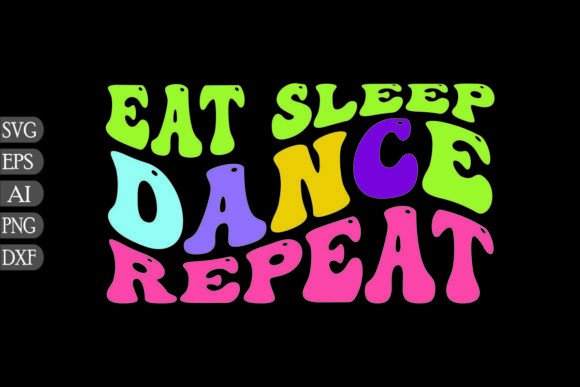
Eat Sleep Dance Repeat: A Designer's Review for Real Projects
As a designer who spends more time staring at stitch simulations than I do sleeping, I approach every new machine embroidery design with a healthy dose of skepticism. We have all seen those trendy text-based graphics that look fantastic on a screen but turn into a tangled mess of thread breaks and puckering once they hit the hoop. That is why I took a close look at the Eat Sleep Dance Repeat file before committing it to any client work or personal handmade product line. This isn't just about whether the font is cute; it is about whether this digital embroidery file can withstand the rigors of real-world application.
First Impressions: Mood and Visual Personality
The moment I loaded the Eat Sleep Dance Repeat design into my digitizing software, the layout felt immediately balanced. There is a rhythmic quality to the typography that mirrors the message itself. It doesn't scream for attention with overly complex flourishes; instead, it offers a clean, modern aesthetic that fits perfectly within the current trend of minimalist lifestyle branding. The visual personality suggests movement and energy without being chaotic. For a craft business owner, this is gold. It appeals to a broad demographic, from young dancers to fitness enthusiasts, making it a versatile asset for your shop.
What stands out most is the potential for customization. Since the product description highlights that you receive 100 editable files and 100 color-changeable options, the creative ceiling is incredibly high. You aren't stuck with a static image. You can adapt the thread colors to match specific team uniforms, boutique palettes, or seasonal themes. This flexibility is crucial when you are trying to maintain brand consistency across different custom apparel lines.
Real-World Application: From Screen to Stitch
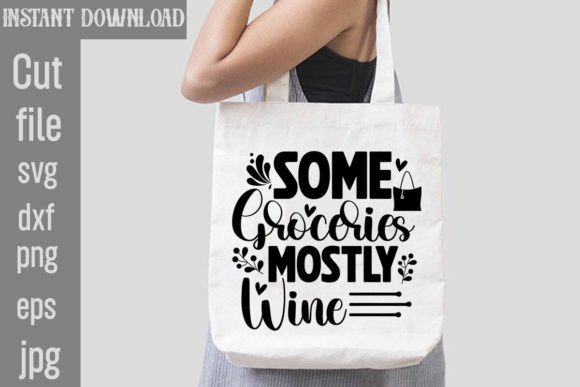
To truly test the viability of Eat Sleep Dance Repeat, I imagined a specific scenario: a custom order for a local dance studio needing branded tote bag design options for their end-of-year recital. The goal was to create something durable enough for daily use but stylish enough that the dancers would actually want to carry it.
In this context, the design shines. The text arrangement allows for a compact footprint, meaning it works well on standard tote bags without overwhelming the canvas. If I were stitching this onto a cotton canvas, I would lean towards a dense fill stitch for the letters to ensure opacity and durability. However, for a lighter weight fabric like a performance tee, switching to a clean satin stitch border with a lighter fill density would prevent the fabric from becoming stiff. The inclusion of AI, EPS, SVG, and DXF formats means that if I need to tweak the vector path before generating the final stitch file, I have the tools to do so. This level of control is often missing in pre-made embroidery file packages.
Beyond apparel, I could easily see this working as an embroidered patch. Patches are a huge seller for Etsy sellers right now. By stitching Eat Sleep Dance Repeat onto twill with a merrowed edge, you create a standalone product that can be ironed onto jackets or backpacks. The high-resolution PNG and JPG mockups provided in the package are excellent for listing these items online before you even stitch a single thread, saving you time on photography and allowing you to gauge customer interest quickly.
Navigating Fabric Challenges and Technical Details
While the design is strong, a responsible reviewer must point out where caution is needed. Text-based designs live and die by their legibility. If you are planning to use Eat Sleep Dance Repeat on textured fabrics like thick terrycloth towels or fuzzy fleece sweatshirt embroidery, you need to be mindful of stitch density. Too many stitches on a high-pile fabric can cause the letters to sink in, making the text unreadable. In these cases, increasing the pull compensation and perhaps adding a slight underlay is essential.
Similarly, curved surfaces present a challenge. If you are applying this to a cap, the horizontal flow of the text might distort slightly over the front panel curve. It is always wise to run a test stitch-out on a scrap piece of the exact same material. Do not skip this step. Testing on scrap fabric allows you to check for registration issues, especially if the design includes fine details or tight corners where threads might bunch up.
For baby embroidery projects, such as a onesie or a nursery pillow cover, comfort is paramount. A heavy design can be irritating against sensitive skin. Here, the ability to edit the file becomes critical. You might choose to reduce the density or switch to a simpler running stitch outline to keep the finished product soft and flexible. Always pair your stitching with the appropriate stabilizer; for stretchy knits, a cut-away stabilizer is usually non-negotiable to prevent distortion after washing.
Commercial Value and Brand Perception
From a business perspective, the perceived value of a finished product often hinges on the professionalism of the decoration. A sloppy, puckered design tells a customer that the item was made hastily. Conversely, a crisp, well-executed Eat Sleep Dance Repeat logo elevates the entire item. It signals attention to detail. Whether you are selling holiday embroidery gifts or building a catalog of small shop product offerings, the clarity of the stitching directly impacts customer trust.
The versatility of this design also aids in buyer engagement. Because the phrase is universal, it resonates with anyone who has a passion for movement. This makes it an ideal candidate for personalized gift bundles. Imagine pairing an embroidered apron with this design for a dance mom, or a kitchen towel for a home cook who treats cooking like a performance. The emotional connection drives sales.
Practical Notes for the Working Designer
Before you list this item or stitch it for a client, here are a few final thoughts based on my experience:
- Check Licensing: While the files are editable, always confirm the specific license terms regarding commercial use. Some designers allow unlimited sales of finished physical goods but restrict the resale of the digital files themselves.
- Contrast is Key: When selecting thread colors, ensure there is enough contrast between the thread and the fabric. Dark thread on dark fabric might look moody in a photo, but it will vanish in person.
- Mockup Testing: Use the provided transparent backgrounds and high-quality mockups to visualize the design on both light and dark garments. This helps you decide if you need to create a version with a backing or a different outline style for darker materials.
- Hoop Size Verification: Even though the files are editable, double-check that the dimensions fit your available hoop sizes, especially if you are working with smaller machines or aiming for pocket-sized logos.
In the crowded marketplace of Crafts and Graphics, finding a design that balances aesthetic appeal with technical practicality is rare. Eat Sleep Dance Repeat offers a solid foundation for a variety of projects. It respects the limitations of the embroidery machine while providing enough creative freedom to make each project feel unique. With proper preparation and an understanding of your materials, this design can be a reliable workhorse in your production queue, delivering professional results that keep customers coming back.