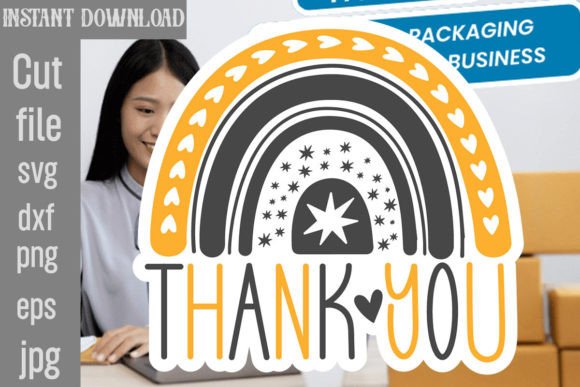
Thank You SVG: Modern Graphics for Crafts
As a digital publisher who has spent years refining the visual identity of multiple content platforms, I approach every new graphic design asset with a critical eye. It is not enough for an image to simply look good; it must perform. It needs to hold its own against bold headlines, load quickly on mobile devices, and convey a specific emotional tone that aligns with our brand voice. Recently, I evaluated the Thank You SVG Cut File specifically for its potential in real-world editorial workflows. While this asset originates in the Crafts category, my review focuses on its utility for bloggers, newsletter creators, and online educators who need polished, scalable visuals for their digital products.
First Impressions and Editorial Mood
Upon opening the package, the immediate takeaway is versatility. The design carries a warm, appreciative mood that feels both professional and approachable. In the world of editorial design, tone is everything. A "Thank You" graphic can easily veer into being too cutesy or overly corporate, but this asset strikes a balanced note. It feels modern and clean, making it suitable for lifestyle blogs, creative business sites, and educational resources alike. The aesthetic suggests gratitude without feeling cluttered, which is essential when you are trying to maintain a sophisticated visual hierarchy on a busy webpage.
For content creators, this mood translates directly into reader trust. When a visitor sees a cohesive, well-designed graphic thanking them for subscribing or purchasing, it reinforces the perception that the publisher cares about quality. This subtle psychological cue is vital for converting casual readers into loyal followers.
The Technical Advantage of Vector Formats
What sets this digital download apart for serious publishers is the file variety included in the archive. You receive a comprehensive suite of formats: an SVG for web scalability, a DXF for cutting machines, a high-resolution EPS vector, and a 300 DPI PNG with a transparent background. For a website owner, the SVG and EPS files are the true workhorses. Unlike raster images that pixelate when enlarged, these vector files ensure your graphics remain crisp on high-resolution Retina displays and large desktop monitors.
This technical flexibility means you are not locked into a single use case. Whether you are designing a massive hero banner for a landing page or a tiny icon for a favicon, the quality remains consistent. The inclusion of a transparent PNG is also a significant time-saver, allowing for immediate drag-and-drop usage in tools like Canva or Photoshop without the need for manual background removal.
Integrating Assets into Publishing Workflows
In a practical publishing environment, the applications for this asset are extensive. Here is how I envision deploying it across various content channels:
- Pinterest Pins: Use the SVG as a central element on vertical pins to highlight freebies or lead magnets. The clear message drives higher click-through rates.
- Digital Guides and eBooks: Place the graphic on the final page of a PDF guide to leave a lasting positive impression on the reader.
- Email Newsletters: Incorporate the PNG into email footers or automated welcome sequences to personalize the subscriber experience.
- Social Media Graphics: Adapt the design for Instagram stories or Facebook posts to celebrate milestones or thank customers for reviews.
- Website Headers: Utilize the vector file in the header of a "Contact" or "Support" page to soften the tone and encourage communication.
- Printable Designs: For those selling physical goods or hosting events, the DXF and SVG files allow for the creation of custom stickers or packaging inserts.
By treating this Crafts asset as a core component of your brand identity, you create a unified visual language across all touchpoints. Consistency is key in content marketing; when users recognize your style instantly, engagement naturally increases.
Boosting Content Performance and Visual Identity
The primary goal of any blog graphics strategy is to improve performance metrics. A well-placed "Thank You" graphic can significantly enhance the user experience. It provides a clear visual anchor that guides the eye, creating a stronger first impression than text alone. In the context of affiliate marketing or product launches, using high-quality visuals to express gratitude can reduce bounce rates and increase the likelihood of social sharing.
Furthermore, this asset supports better category recognition. If you consistently use this style of typography and illustration for all your appreciation-based content, readers will begin to associate that specific look with positive interactions on your site. This builds a stronger visual identity that differentiates you from competitors in the crowded creative marketplace.
Strategic Placement and Usage Cautions
While versatile, this design asset works best in specific contexts. It shines as a hero image on landing pages, a focal point for article thumbnails, or an accent in downloadable resources. It is particularly effective in newsletter headers where space is limited but impact is required.
However, caution is advised when using it in small mobile thumbnails where intricate details might get lost. It may not be the ideal choice for text-heavy blog images where it could compete with the headline for attention. Additionally, if your website caters to a very serious corporate niche or requires a strictly minimal visual system, you should test the graphic carefully to ensure it aligns with your established tone. Always check contrast levels when placing it over colored backgrounds to ensure readability remains high.
Practical Notes for Publishers and Designers
Before integrating the Thank You SVG Cut File into your live environment, I recommend a rigorous testing protocol. Preview the asset on both desktop and mobile screens to verify scalability. Test it alongside various font pairings—try it with serif fonts for an elegant look, sans serif for modernity, or script fonts for a personal touch. Pay close attention to file size; while vectors are generally lightweight, ensure your exported PNGs are compressed properly for optimal web performance.
Finally, always confirm the licensing terms. Since this is a commercial design asset intended for a digital download, ensure you have the appropriate commercial license before using it on monetized websites, affiliate pages, or in paid content products. Proper licensing protects your business and ensures you can leverage this creative design tool with confidence.
In conclusion, this asset is more than just a cut file for hobbyists; it is a robust tool for small business branding and professional publishing. By leveraging its vector capabilities and clean aesthetic, you can elevate your web design projects and foster deeper connections with your audience.